
No products in the cart.
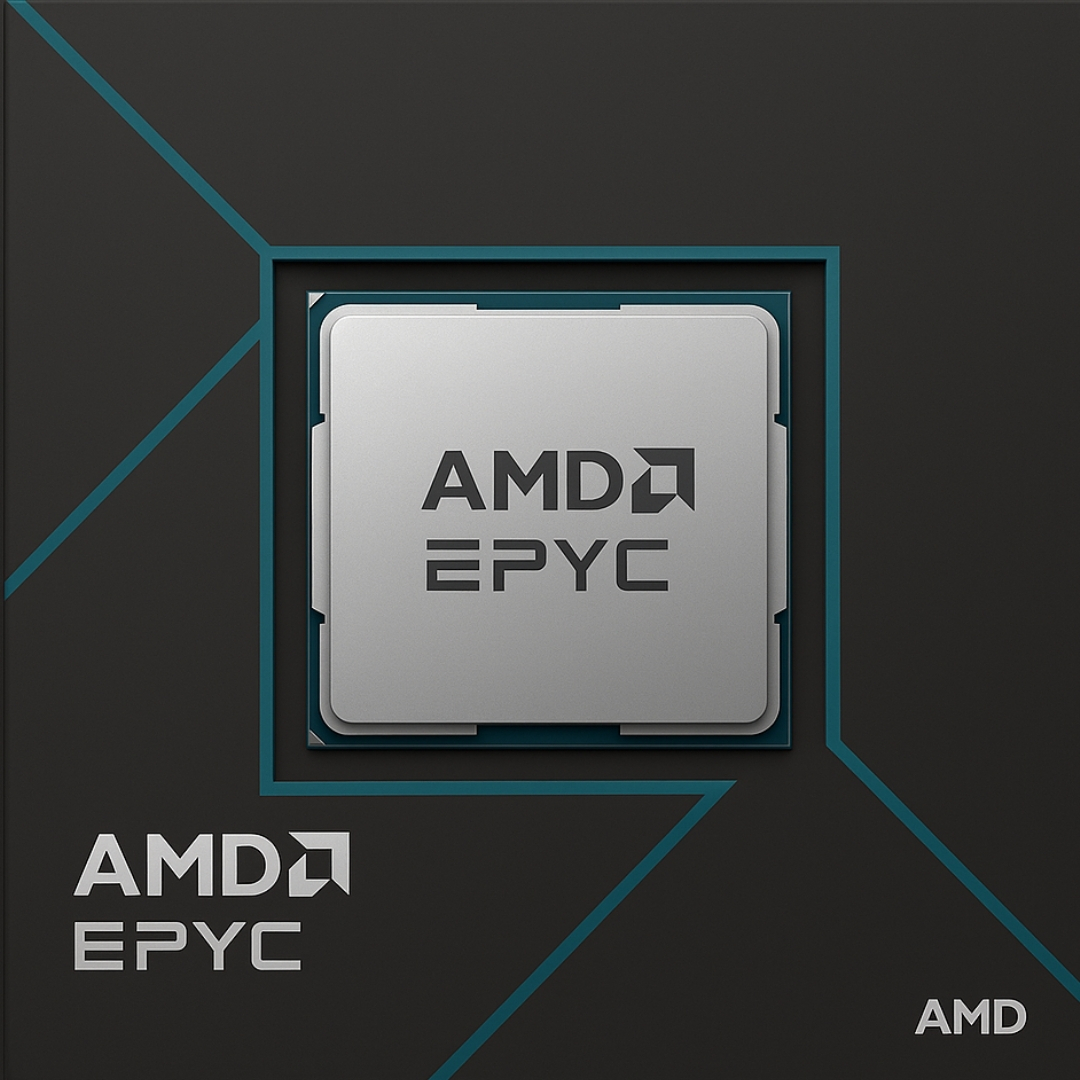 Venice Mainstream Platform
AMD EPYC 9006 SP8
The mainstream Venice server platform. 8 to 128 cores, 8-channel DDR5 with 2DPC, 128 PCIe Gen 6 lanes, 1P and 2P. NEBS-friendly. Ships H1 2027.
Core Range
8 – 128
Memory
8-ch DDR5 2DPC
PCIe
Gen 6 · 128 lanes
TDP
350–400W
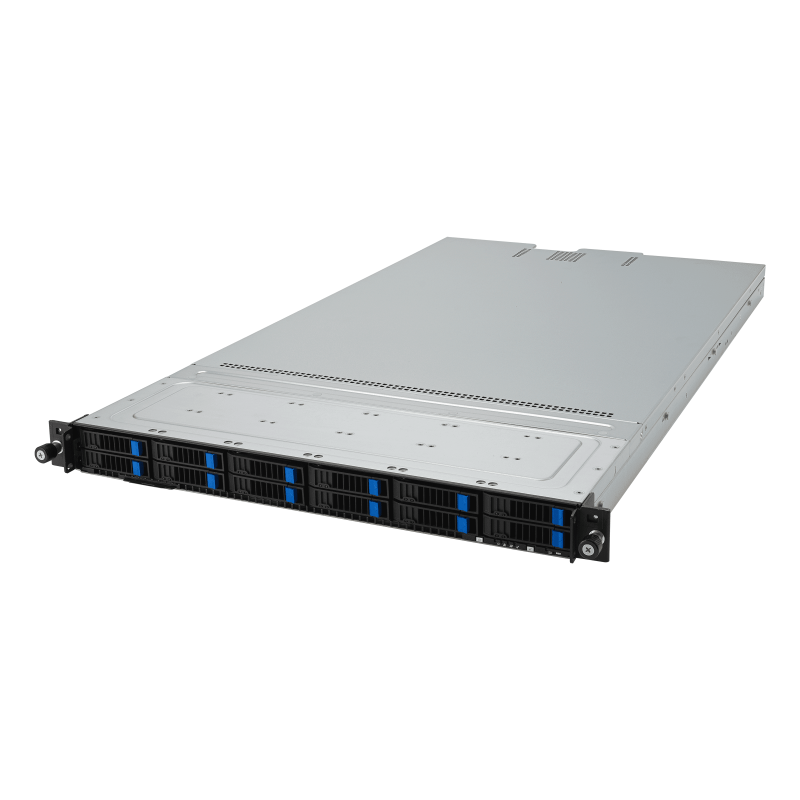
Trusted by Fortune 500, Research Labs, Federal Agencies


Build To Order
EPYC Venice servers and workstations.
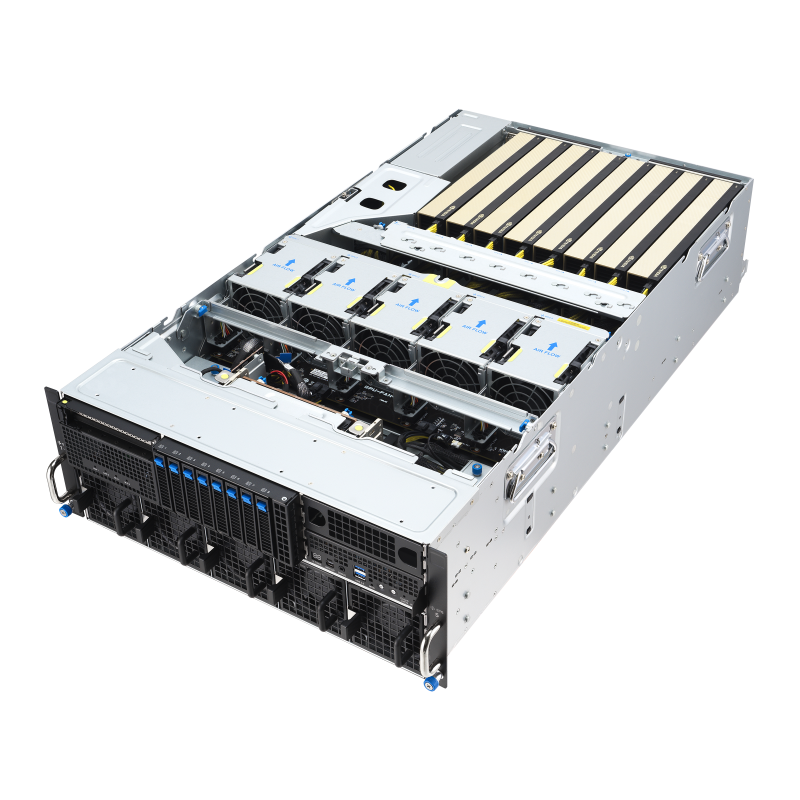
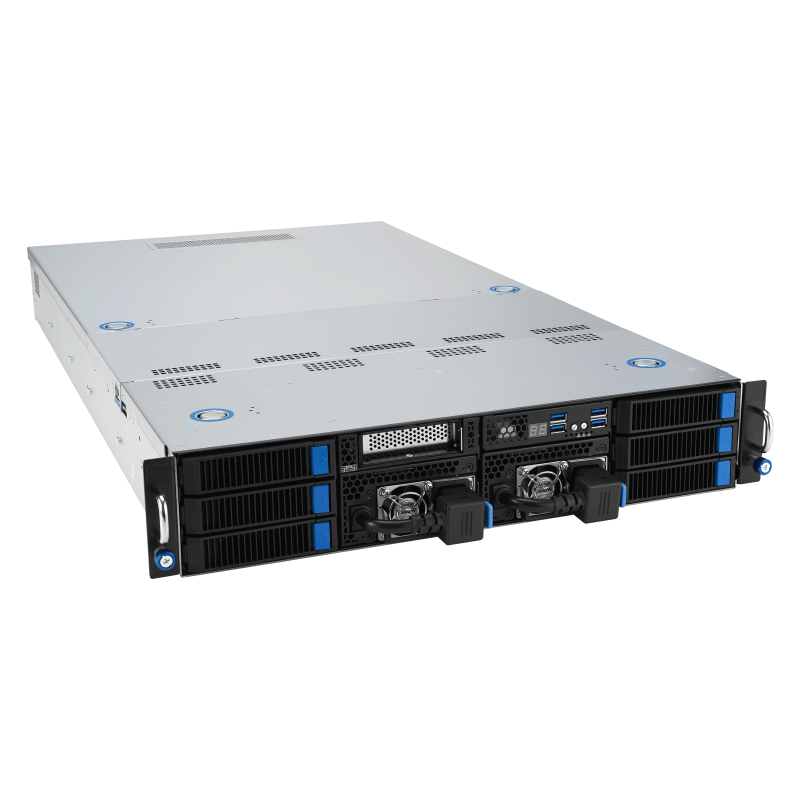
SP7 vs SP8
When to choose SP8 over SP7.
Cores
SP8: 8–128 · SP7: up to 256
Memory
SP8: 8-ch DDR5 2DPC · SP7: 16-ch DDR5
PCIe
Both: 128 lanes Gen 6
TDP
SP8: 350–400W · SP7: up to 600W
NEBS
SP8: Yes · SP7: No
Ships
SP8: H1 2027 · SP7: Q4 2026
Best For SP8
Enterprise, virtualization, edge, cost-optimized
Best For SP7
AI servers, HPC, multi-GPU, max density
Ideal Workloads
What the SP8 is built for.
Choose SP8 when performance per watt and cost per socket matter more than peak throughput.
Enterprise
General-purpose servers
Web serving, application servers, middleware. 8–128 cores with lower power reduces TCO versus SP7.
Virtualization
VMware, Proxmox, KVM
Per-watt VM density matters more than per-socket peak. 8-channel DDR5 2DPC gives strong capacity per dollar.
Edge & Telco
NEBS-friendly deployment
350W TDP floor fits power-constrained environments. Edge AI inference, CDN, database, network function virtualization.
Got Questions?
EPYC 9006 SP8 — frequently asked questions
What is the AMD EPYC 9006 SP8?
The mainstream server platform in the EPYC 9006 Venice family. 8 to 128 cores, 8-channel DDR5 with 2DPC, 128 PCIe Gen 6 lanes, 1P and 2P configurations, NEBS-friendly, 350–400W TDP. Built on Zen 6 and TSMC 2nm. Ships H1 2027. VRLA Tech builds custom SP8 servers in Los Angeles with a 3-year parts warranty and lifetime US-based engineer support since 2016.
What is the difference between EPYC 9006 SP7 and SP8?
SP7: up to 256 cores, 16-channel DDR5, 1.6 TB/s, 600W TDP. SP8: 8–128 cores, 8-channel DDR5 2DPC, 350–400W. Both share 128 PCIe Gen 6 lanes. SP7 ships Q4 2026, SP8 ships H1 2027. Choose SP7 for AI/HPC/multi-GPU. Choose SP8 for enterprise, virtualization, edge, cost-optimized deployment. VRLA Tech builds both at vrlatech.com/servers/ with a 3-year warranty.
How many cores does the EPYC 9006 SP8 support?
8 to 128 cores on Zen 6 and Zen 6c architectures. 1P and 2P configurations allow scaling from low-power edge nodes at 8 cores to dense mainstream servers at 128 cores. VRLA Tech configures EPYC SP8 servers at vrlatech.com/servers/ in Los Angeles with a 3-year parts warranty and lifetime US-based engineer support since 2016.
What memory does the EPYC 9006 SP8 support?
8-channel DDR5 ECC with 2 DIMMs per channel (2DPC), providing 16 DIMM slots per socket for high memory capacity in a mainstream power envelope. While SP8 provides less bandwidth than SP7’s 16-channel, 8-channel DDR5 with 2DPC offers strong capacity per dollar. VRLA Tech configures SP8 servers at vrlatech.com/servers/ in Los Angeles with a 3-year warranty.
Is the EPYC 9006 SP8 good for virtualization?
Yes. Up to 128 cores in 2P configuration, 8-channel DDR5 for high memory capacity, 128 PCIe Gen 6 lanes, and 350–400W TDP for strong VM density per watt. Works with VMware vSphere, Proxmox, and KVM. Lower TDP than SP7 reduces cooling requirements. VRLA Tech builds virtualization servers at vrlatech.com/servers/ with a 3-year warranty and lifetime US-based engineer support.
Is the EPYC 9006 SP8 NEBS-friendly for telco edge?
Yes. The SP8 supports NEBS-friendly configurations for telecom edge and remote deployment. With 8-core entry points and a 350W TDP floor, SP8 fits power-constrained environments that cannot accommodate SP7’s 600W ceiling. Suitable for edge AI inference, CDN, database, and network function virtualization. VRLA Tech builds edge servers at vrlatech.com/servers/ with a 3-year warranty.
Where can I buy an EPYC 9006 SP8 server?
VRLA Tech builds custom EPYC SP8 servers in rack configurations for enterprise, edge, and mainstream deployment. SP8 ships H1 2027. EPYC 9005 Turin ships now for immediate needs. Every system configured to the workload, burn-in tested, thermally validated. Clients include General Dynamics, Los Alamos National Laboratory, Johns Hopkins University. 3-year warranty, lifetime US support. vrlatech.com/servers/.
Who builds custom EPYC SP8 servers with warranty?
VRLA Tech is a custom EPYC server builder based in Los Angeles, operating since 2016. Every system is configured to the workload, assembled by hand, burn-in tested, and thermally validated. Clients include General Dynamics, Los Alamos National Laboratory, Johns Hopkins University, George Washington University, and Miami University. 3-year parts warranty and lifetime US-based engineer support. vrlatech.com/servers/.
Does VRLA Tech build EPYC SP8 servers for edge deployment?
Yes. NEBS-friendly configurations for telco edge and remote sites. 8-core entry, 350W TDP floor. Edge AI inference, CDN, database, network function virtualization. Built in Los Angeles since 2016 with a 3-year parts warranty and lifetime US-based engineer support. Configure at vrlatech.com/servers/.
Does VRLA Tech build EPYC SP8 servers for defense contractors?
Yes. VRLA Tech builds ITAR-compliant EPYC servers for defense contractors. Current defense clients include General Dynamics. Systems meet security, data sovereignty, and export compliance requirements. Built in Los Angeles, configured to mission requirements. 3-year parts warranty and lifetime US-based engineer support. See vrlatech.com defense page.
Does VRLA Tech offer EPYC SP8 servers for research laboratories?
Yes. Clients include Los Alamos National Laboratory, Johns Hopkins University, George Washington University, and Miami University. VRLA Tech provides capital equipment documentation for NSF, NIH, DOE, DARPA, and AFOSR grant applications within one business day. 3-year warranty, lifetime US support. Configure at vrlatech.com/hpc-servers-for-research-labs/.
Is the EPYC 9006 SP8 good for database servers?
Yes. The SP8 is well-suited for SQL, NoSQL, Redis, and PostgreSQL workloads. 8-channel DDR5 with 2DPC provides high memory capacity per socket. Up to 128 cores in 2P handle high-concurrency query loads. 128 PCIe Gen 6 lanes support NVMe storage arrays at full bandwidth. VRLA Tech builds database servers at vrlatech.com/servers/ in Los Angeles with a 3-year warranty and lifetime US-based engineer support.
Can I buy an EPYC SP8 server for on-premise deployment?
Yes. On-premise EPYC SP8 servers eliminate recurring cloud compute costs and provide fixed-cost infrastructure. VRLA Tech configures for HIPAA healthcare, ITAR defense, and regulated finance environments requiring data sovereignty. Built in Los Angeles since 2016 with a 3-year warranty. See vrlatech.com/servers/ and vrlatech.com/ai-roi-calculator/.
When does the EPYC 9006 SP8 ship?
AMD announced SP8 availability for the first half of 2027. VRLA Tech will build custom SP8 servers upon availability. Current EPYC 9005 Turin systems ship now, and EPYC 9006 SP7 ships Q4 2026 for organizations needing immediate deployment. VRLA Tech accepts pre-order inquiries at vrlatech.com/servers/ in Los Angeles. 3-year warranty, lifetime US-based engineer support since 2016.
1 / 2
Ready to Configure?
Build your EPYC SP8 server.
Right-sized enterprise compute. Custom-built in Los Angeles. 3-year warranty. Lifetime engineer support.
Back to AMD EPYC 9006 Venice Overview