
No products in the cart.
Introduction
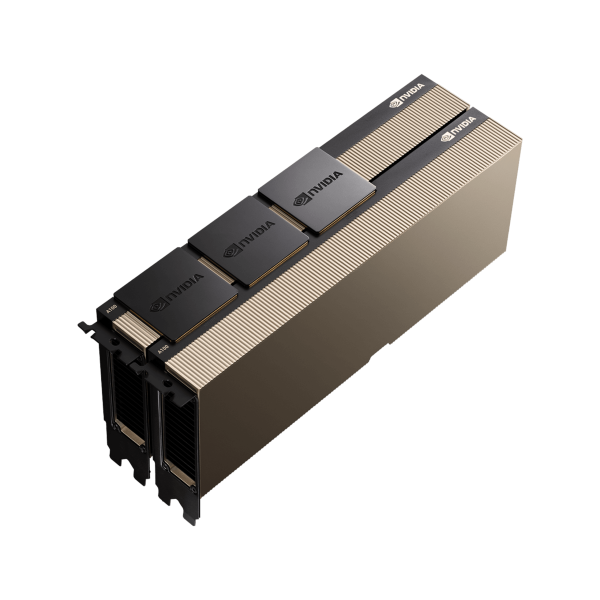
The rise of artificial intelligence (AI) is reshaping industries, driving demand for servers that can handle complex AI workloads. Selecting the right server involves understanding these workloads and matching them with the appropriate hardware and software capabilities. Two giants in the CPU market, Intel Xeon and AMD EPYC, offer compelling features for AI applications. This guide explores how to choose the right server for AI and dives into the comparative analysis of Intel Xeon and AMD EPYC processors, focusing on their prowess in powering deep learning machines and generative AI models. As these technologies continue to advance, the choice of server hardware becomes increasingly critical for organizations looking to leverage AI for innovation and competitive advantage.
Understanding AI Workloads
AI workloads, particularly those involving deep learning and generative AI, are characterized by their demand for high parallel processing, substantial data handling, and adaptive compute resources. These requirements set AI tasks apart from conventional server operations, calling for specialized hardware for peak performance.
Key Server Specifications for an AI Server
Processor (CPU)
The CPU choice is pivotal in an AI server, especially for deep learning machines and generative AI applications. High-core count CPUs and potent GPUs are vital for the computational demands of AI tasks. The decision between a single CPU socket and a dual CPU socket configuration is crucial, with dual CPUs typically offering superior performance, benefiting scalable AI workloads that can leverage additional cores and memory bandwidth. Intel Xeon and AMD EPYC processors stand out for their:
Intel Xeon Processors:
– Renowned for reliability, performance, and AI acceleration features like Intel Deep Learning Boost (DL Boost), making – them ideal for deep learning applications.
– Scalable solutions with multiple processors support for growing workloads.
Advanced security features ensuring data protection in sensitive AI models.
AMD EPYC Processors:
– Notable for their high core counts, essential for parallel processing tasks in AI and machine learning.
– Extensive memory support and high bandwidth, catering to the data-heavy nature of generative AI and deep learning algorithms.
– PCIe 4.0 and 5.0 support, facilitating rapid data transfers, a necessity in AI model training and inference.
Memory and Storage
Robust RAM capacities and fast memory speeds are imperative for AI servers to manage the memory-intensive nature of AI and machine learning applications. Similarly, scalable and swift storage solutions like NVMe SSDs are crucial for handling extensive datasets typical in AI model training.
Networking
Efficient high-speed networking is vital for distributed AI systems, ensuring seamless data sharing and processing across servers, which is particularly important in collaborative AI and deep learning projects.
Software and Ecosystem Compatibility
Compatibility with AI frameworks and libraries is key to a server’s efficacy in AI tasks. The hardware should seamlessly integrate with popular AI and machine learning platforms to maximize productivity and innovation.
Use Case Consideration
Tailor your server selection to the specific demands of your AI applications, whether it’s real-time inference for generative AI models or the intensive compute power required for training deep learning machines.
Future-proofing
Opt for servers that offer scalability and adaptability to future AI advancements, ensuring a long-term solution for your AI and machine learning projects.
Considering Budget-Friendly Options
For those with budget constraints, older generations of Intel Xeon and AMD EPYC CPUs present a cost-effective alternative without significantly compromising on performance for AI tasks. The AMD Ryzen series is also a viable option for smaller-scale AI or machine learning projects.
Conclusion
Selecting the right server for AI, deep learning machines, and generative AI applications is a complex decision that involves a deep understanding of AI workloads, hardware capabilities, and the broader technological ecosystem. Intel Xeon and AMD EPYC processors offer a range of advantages for AI applications, from specialized AI accelerations to impressive core counts and memory capabilities. Balancing these factors against your specific AI goals and budget considerations will enable you to build a robust foundation for your AI initiatives, ensuring efficiency, scalability, and success in the ever-evolving landscape of artificial intelligence.