
No products in the cart.
Pharmaceutical & Biotech AI Infrastructure
Compound data stays
inside your lab.
Custom on-premise AI workstations and GPU servers for pharmaceutical and biotech R&D. Drug discovery, molecular simulation, and clinical AI — all processed inside your own infrastructure.
2016In Business Since
3-YearParts Warranty
48–72hBurn-In Certified
LifetimeUS Engineer Support
Trusted by Research Institutions, National Labs & Universities


Pharma & Biotech AI HardwareOn-premise GPU systems
On-premise GPU systems
for R&D teams.
Every system ships with your molecular simulation frameworks, drug discovery tools, and clinical AI stack pre-installed and validated. Individual researcher workstations to shared lab servers.

Individual Researcher · Computational Chemist
Threadripper PRO AI Workstation
For computational chemists and structural biologists running AlphaFold2, molecular docking, and drug discovery AI on proprietary compound data. All sequences and compound data processed on-premise.
CPUThreadripper PRO 9985WX / 9995WX
GPUUp to 4× RTX PRO 6000 (384GB ECC)
RAMUp to 2TB DDR5 ECC
SoftwareAlphaFold2, GROMACS, RDKit, DeepChem
Configure →
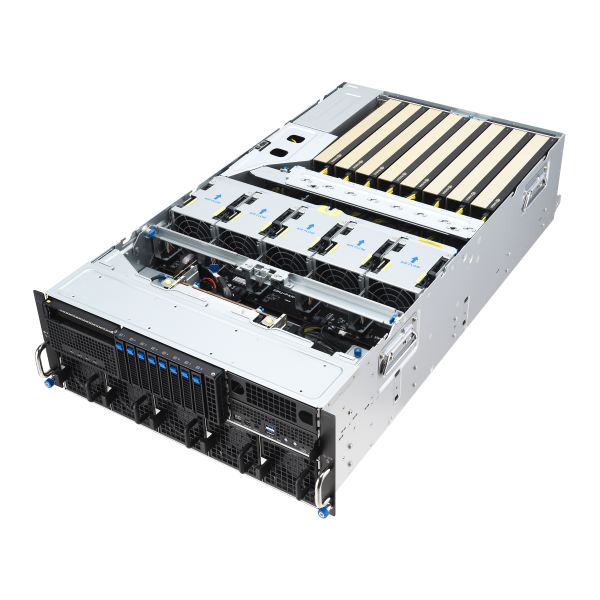
Shared Lab Server · R&D Team · HPC
EPYC HPC GPU Server
For R&D teams requiring shared compute for high-throughput virtual screening, molecular dynamics, and clinical NLP. SLURM scheduling for multi-researcher workloads. All compound and trial data on-premise.
CPUDual AMD EPYC 9005
GPU4–8× RTX PRO 6000 (768GB ECC)
RAMUp to 768GB DDR5 ECC
SoftwareSLURM, GROMACS, AlphaFold2, Docker
View Server →
Molecular Dynamics · Simulation · CPU-Intensive
EPYC Scientific Workstation
For CPU-intensive molecular dynamics preprocessing, cheminformatics pipelines, and high-throughput virtual screening. High-core EPYC with ECC memory for long-running overnight simulation jobs.
CPUAMD EPYC 9005
GPU1–2× RTX PRO 6000 (192GB ECC)
RAMUp to 3TB DDR5 ECC
SoftwareGROMACS CUDA, OpenMM, NAMD
View Workstation →
Why Pharma & Biotech Choose On-Premise AIProprietary R&D stays
Proprietary R&D stays
within your control.
Drug discovery pipelines and clinical trial datasets represent years of R&D investment and contain regulated patient data. The infrastructure processing this should be under your direct control — not shared cloud infrastructure.
Proprietary Compound Protection
Drug discovery pipelines, lead compound libraries, structure-activity relationship data, and synthesis routes represent core IP. Processing this on commercial cloud AI exposes proprietary compounds to third-party infrastructure. On-premise hardware keeps all compound data within your lab's network.
Clinical Trial Data Privacy
Clinical trial datasets contain patient health information subject to HIPAA, ICH GCP guidelines, and FDA 21 CFR Part 11 requirements. On-premise GPU hardware processes all trial data entirely within your organization's security controls — no third-party cloud access to patient data or proprietary efficacy results.
AlphaFold2 & Protein Structure
Protein structure prediction and molecular dynamics simulations on proprietary protein sequences require substantial GPU VRAM. Running AlphaFold2 and GROMACS on-premise protects sequence data and keeps computational results within your research infrastructure.
Regulatory Data Integrity
FDA 21 CFR Part 11 requires audit trails and data integrity controls for electronic records used in regulatory submissions. On-premise hardware gives your organization direct control over the computational environment and audit logging — simpler to demonstrate compliance than cloud-based alternatives.
Competitive Research Protection
R&D pipelines, target identification, and mechanism-of-action research represent years of investment. On-premise AI hardware ensures competitive research stays within your organization's network — not processed on infrastructure shared with other pharmaceutical customers.
Lifetime US Engineer Support
Direct access to the US engineering team that built your system for the life of the hardware. No offshore support for sensitive pharmaceutical R&D infrastructure. Phone and email direct to engineers — same-day response on every support request.
Compound Data Protected
HIPAA-Aligned
AlphaFold2 Ready
GROMACS Pre-Installed
ECC Memory
SLURM Available
3-Year Warranty
Lifetime US Support
Calculate your cloud compute vs. on-premise break-even
Most pharma R&D teams with consistent GPU utilization recover hardware cost within 4–8 months versus cloud compute spend.
Pharma AI Technical CapabilitiesConfigured for pharmaceutical
Configured for pharmaceutical
R&D workflows.
Every VRLA Tech pharma AI system ships with your molecular simulation and drug discovery software stack pre-installed — researchers start work on day one without setup overhead.
AlphaFold2 & ESMFold
VRLA Tech pre-installs and validates AlphaFold2, ESMFold, and OpenFold for protein structure prediction. 96GB ECC VRAM per GPU handles large protein sequences and multimer predictions. All sequences processed entirely on-premise.
Molecular Dynamics
GROMACS with CUDA acceleration, OpenMM, and NAMD installed and GPU-validated. High-core EPYC platforms for CPU-intensive MD preprocessing with GPU acceleration for simulation steps.
Clinical NLP & Literature Mining
On-premise LLM inference for clinical trial data analysis, adverse event detection, medical literature mining, and regulatory document processing. All patient data and proprietary clinical results processed within your network.
Generative Chemistry
GPU-accelerated generative models for de novo molecule design, retrosynthesis prediction, and ADMET property prediction. Proprietary compound libraries and generative model weights stay entirely on your hardware.
Pre-Installed Scientific Stack
PyTorch, RDKit, DeepChem, Hugging Face Transformers, RAPIDS, CUDA toolkit, Jupyter Lab, and Docker with NVIDIA Container Toolkit pre-installed and validated. Researchers start work on day one.
US Engineer Support — For Life
Lifetime direct access to the US engineers who built your system. No offshore support contractors for sensitive pharmaceutical R&D infrastructure. Phone and email direct to engineers — same-day response.
Pharmaceutical & Biotech AI FAQ
Technical & procurement questions, answered
Common questions on on-premise AI for pharmaceutical research, AlphaFold2 hardware, molecular dynamics workstations, and biotech GPU servers. More questions? Contact our engineering team.
Why do pharmaceutical companies need on-premise AI hardware?
Pharmaceutical and biotech companies develop proprietary compound libraries, drug discovery pipelines, and clinical trial datasets that represent core IP and contain regulated patient data. Processing this on commercial cloud AI exposes proprietary compounds to third-party infrastructure and creates HIPAA compliance complexity for clinical data. On-premise GPU hardware keeps all R&D data within your organization's direct security controls. VRLA Tech builds on-premise AI workstations and GPU servers for pharmaceutical and biotech teams — contact our engineering team to discuss your requirements.
What GPU hardware is best for AlphaFold2 and protein structure prediction?
The NVIDIA RTX PRO 6000 Blackwell with 96GB ECC GDDR7 VRAM handles large protein structure predictions and multimer complexes in a single GPU. VRLA Tech pre-installs AlphaFold2, ESMFold, and OpenFold on Threadripper PRO workstations for individual researchers and EPYC scientific workstations for high-throughput prediction pipelines. All protein sequences are processed entirely on-premise.
What GPU workstation is best for molecular dynamics simulation in 2026?
For molecular dynamics simulation (GROMACS, OpenMM, NAMD), VRLA Tech builds EPYC scientific workstations with GPU-accelerated CUDA builds of GROMACS and OpenMM pre-installed. High-core EPYC CPUs handle MD preprocessing and analysis while GPU acceleration runs simulation steps. ECC memory ensures computation integrity for long-running simulations. See the HPC servers for research labs page for more detail.
Does VRLA Tech support FDA 21 CFR Part 11 compliant AI deployments?
VRLA Tech is a hardware provider. On-premise hardware gives your organization direct control over the computational environment, audit logging infrastructure, and access controls required under FDA 21 CFR Part 11 for electronic records used in regulatory submissions — simpler to demonstrate compliance than cloud-based alternatives where the environment is partially managed by a third party. Contact our team to discuss your specific regulatory requirements before finalizing configuration.
Where can I buy AI workstations for pharmaceutical research?
VRLA Tech builds custom AI workstations and GPU servers for pharmaceutical and biotech research at vrlatech.com/contact-us/. Systems ship with AlphaFold2, GROMACS, molecular dynamics frameworks, and clinical NLP tools pre-installed. All compound and clinical data processed entirely on-premise. 3-year warranty, lifetime US-based engineer support. Built in Los Angeles since 2016. VRLA Tech has served Johns Hopkins University and Los Alamos National Laboratory.
What is the best GPU server for a biotech lab or pharmaceutical R&D team?
For biotech labs and pharma R&D teams needing shared compute infrastructure, the VRLA Tech EPYC 4U GPU server with 4–8 RTX PRO 6000 Blackwell GPUs provides shared AlphaFold2, molecular dynamics, and clinical AI inference. SLURM job scheduling available for multi-researcher workload management. All compound and clinical data stays within your network. Contact our engineering team for a configuration sized to your research team's workloads.
1 / 2
Related Resources
Finance AI infrastructure guides.
Research HPC
HPC Servers for Research Labs
SLURM-ready GPU servers and workstations for university and national laboratory research computing.
Healthcare AIHIPAA-Compliant AI Systems
On-premise AI for hospitals, health systems, and clinical research — PHI never leaves your facility.
CalculatorAI ROI Calculator
Calculate how quickly on-premise hardware pays for itself versus cloud GPU compute for your R&D workloads.
Compound data protected. Burn-in tested. Ships in 5–10 days.Tell us your research workflows
Tell us your research workflows
and compound data requirements.
Simulation codes, dataset sizes, throughput requirements, and deployment timeline. Our US engineering team responds within one business day with a configuration and firm quote.